MEJE PROCESS · Fandom Activity (7 chapters)
How Fandom's Tacit Knowledge Becomes a Company Asset
How Fandom's Tacit Knowledge Becomes a Company Asset
Turning Unsearchable Knowledge into a Verifiable IP Library
Some things disappear the day a staff member resigns. The nicknames fans call the members. The memory of which prop from which stage became a symbol, and why. The sense of which expressions are affectionate jokes and which are taboos never to be touched. The handover file preserves contracts, schedules, and account passwords, but this sense, built up over years between the fandom and the company, lives in one person's memory and leaves with the resignation letter. The new staffer starts searching from scratch, and the outside production partner sits through the briefing from scratch.
In part 1, we defined Fandom Activity as an operating system that turns idol IP into "a world fans live in every day." This installment covers the first pillar of that system: how knowledge only fans possessed becomes a company asset with sources and grades.
1. Official Facts and Fandom Interpretation Are Different Kinds of Knowledge
Most of what a company knows is official fact. Profiles, the discography, albums and music videos, stage footage, interviews — information with clear sources and completed verification. But the world the fandom actually lives in is built from the interpretation layered on top. The nicknames used again and again, the meme born from a particular choreography move, the grammar for understanding relationships between members, the single stage moment still talked about years later.
The two kinds of knowledge differ in character. Official facts are stable, but fandom interpretation is fluid, textured differently in each community and language region, and changes over time. Problems arise when a company mixes the two, or produces content without knowing the latter exists at all. Fans feel respected when official content uses their language precisely, and they disengage fastest when it imitates them clumsily.
So the first step of turning knowledge into assets is not collection but distinction. Managing official facts, recurring symbols, fandom tacit knowledge, and unverified creative hypotheses as separate layers. Only when the layers are distinguished can one decide which knowledge to use as is, which to use after verification, and which not to use at all.
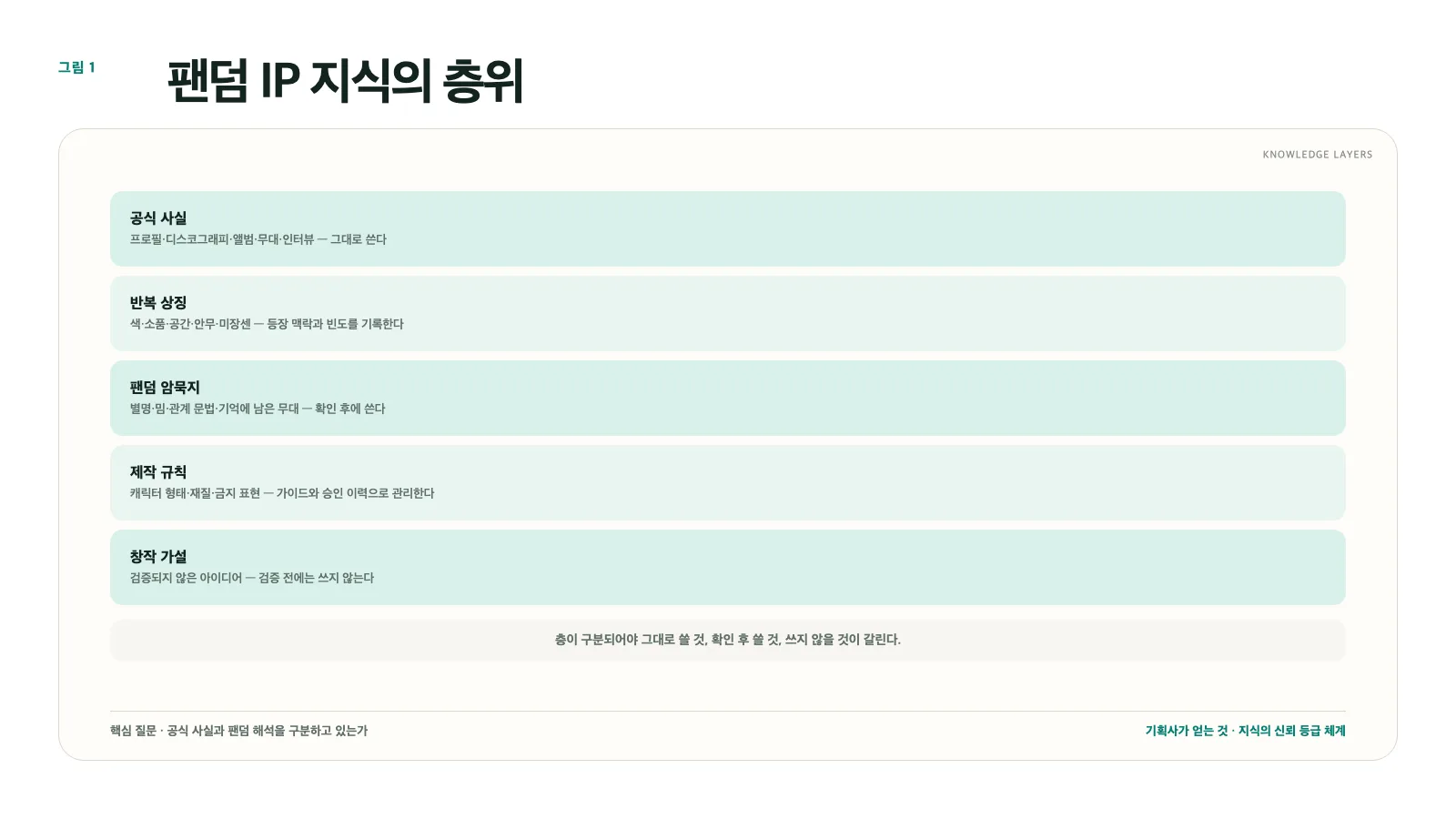
Figure 1. The layers of fandom IP knowledge: from official facts to creative hypotheses
2. Not Collection but Evidencing
When people hear "gathering fandom knowledge," they tend to picture crawling posts en masse. But a scraped pile of text is not an asset — it is a liability. Without knowing where a phrase came from, when it entered use, who uses it and how widely, and in which contexts alone it holds, it cannot be used.
Evidencing means attaching a tag to every item. Original source and date, the context of appearance, official or unofficial status, whether independent corroborating instances recur, and sensitivity. Even for a single nickname, "a term of endearment the whole fandom has used for years" and "a joke that circulated briefly in one community" are entirely different grades of knowledge. Only with grades can one separate what goes into official content from what serves as reference only.
This work determines the quality of Fandom Activity. Whether the worldview's symbols connect to the fandom's actual memories, and whether the characters' behaviors reflect the group's actual grammar, all come from this evidenced knowledge. The difference between knowing by instinct and knowing by evidence becomes the difference between fans feeling "they truly saw us" and feeling "they merely imitated us."
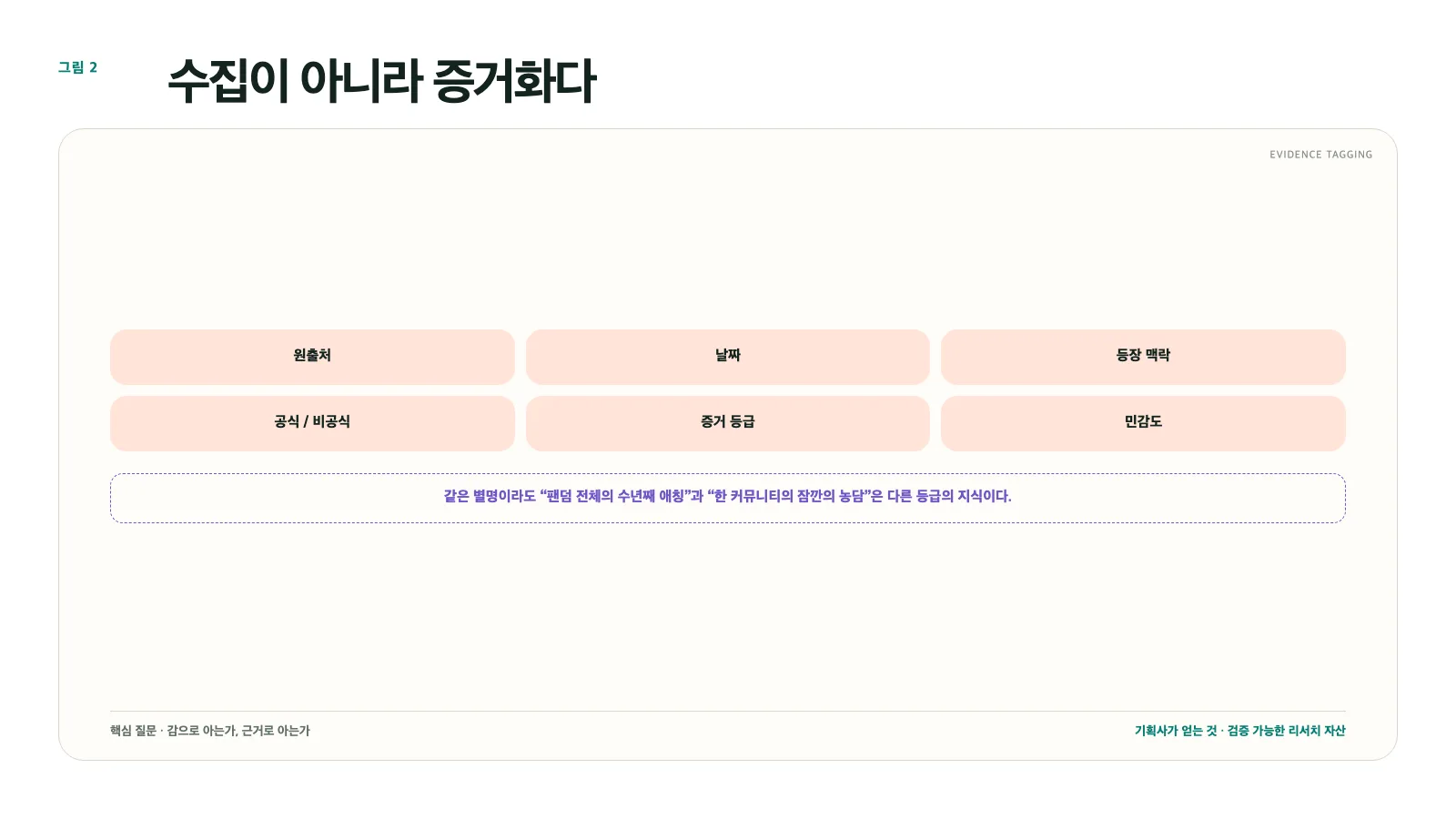
Figure 2. The tags of evidencing: source, date, context, grade, sensitivity
3. Not a Lore Bible but a Production Database
The moment organized knowledge is finished as a single document, it begins to age. New albums come out, new stages happen, new memes are born, but the finished PDF is never updated. So the destination is not a lore bible but a library.
The library turns people, places, events, objects, symbols, albums, and stages into entries and links them together. As entries interlink and timelines accumulate, visualizing the relationship map makes visible the philosophy and mise-en-scene the group has repeated. Which colors and props recur across albums; which keywords straddle both the fandom's language and the official narrative. This recurring structure becomes the skeleton of the next worldview and the next characters.
What matters is that this library is not used alone. The marketing team consults it for the grounding of campaign copy, A&R as material for the next concept meeting, and the visual team and outside production partners as design reference — all referencing the same entries. When everyone builds from the same source, the world does not scatter across media.
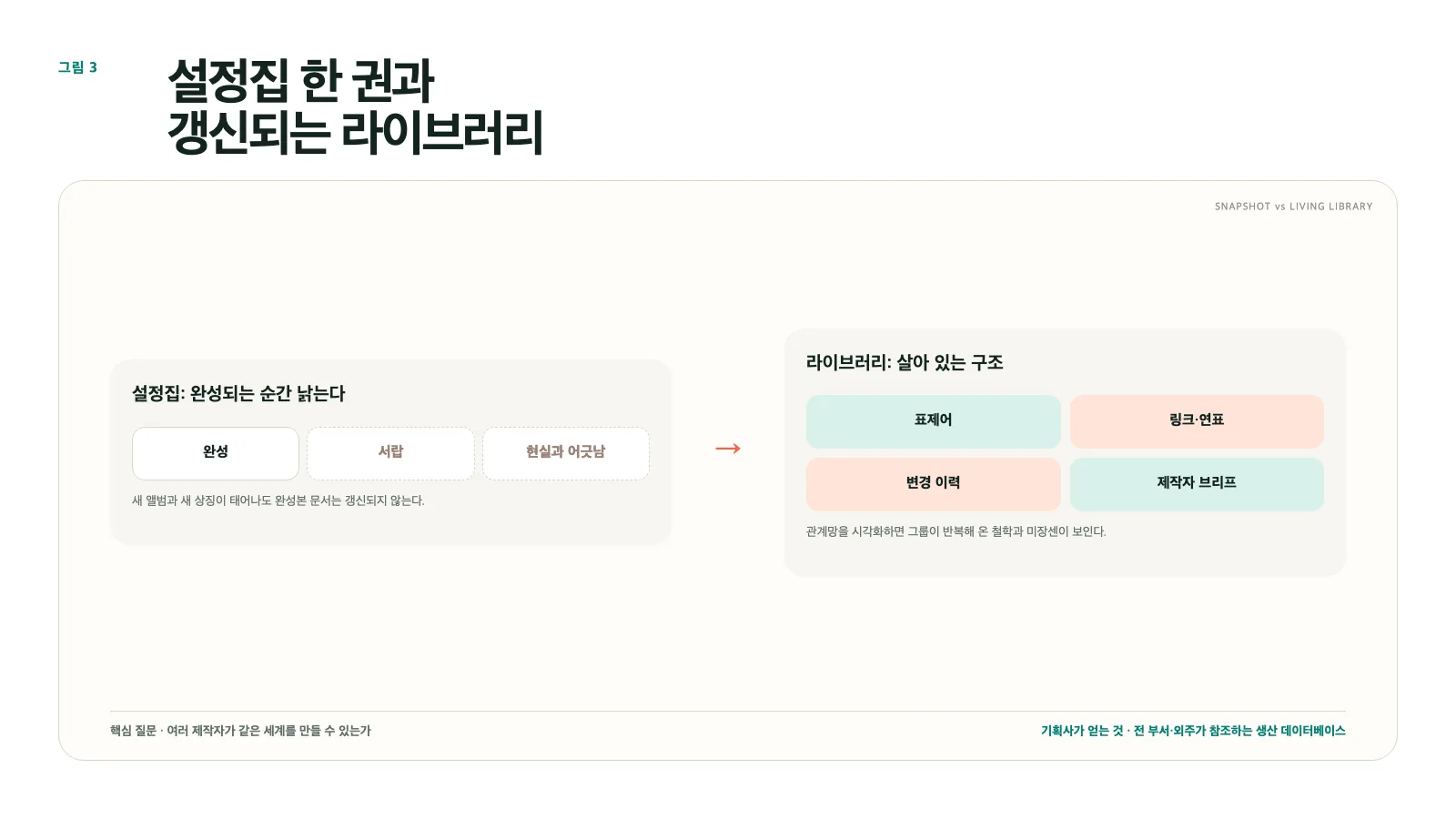
Figure 3. The difference between a single lore bible and a continuously updated library
4. What You Refuse to Do Creates the Asset's Quality
Knowledge collection needs clear red lines. Rumors, private life, and speculation about health, romance, or political leanings are never collected, no matter how much buzz they generate within the fandom. Statements by underage fans receive special protection. Hate speech and dangerous speculation are filtered through dual review, automated and manual.
The principle for handling fans' public statements is the same. Being public does not grant an unlimited right to collect and reuse. Respect platform policies and quotation limits, protect sources, and look at recurring patterns rather than identifying individual fans. The fandom's public expression is not free raw material; it is a culture to be understood so that it can be returned as a more accurate, more respectful official experience.
These red lines are ethics and, at the same time, quality control. A library contaminated with rumors will someday cause an accident in official content, and data collected as if surveilling fans destroys trust the moment it comes to light. The clearer you are about what you will not do, the more trustworthy the knowledge that remains.
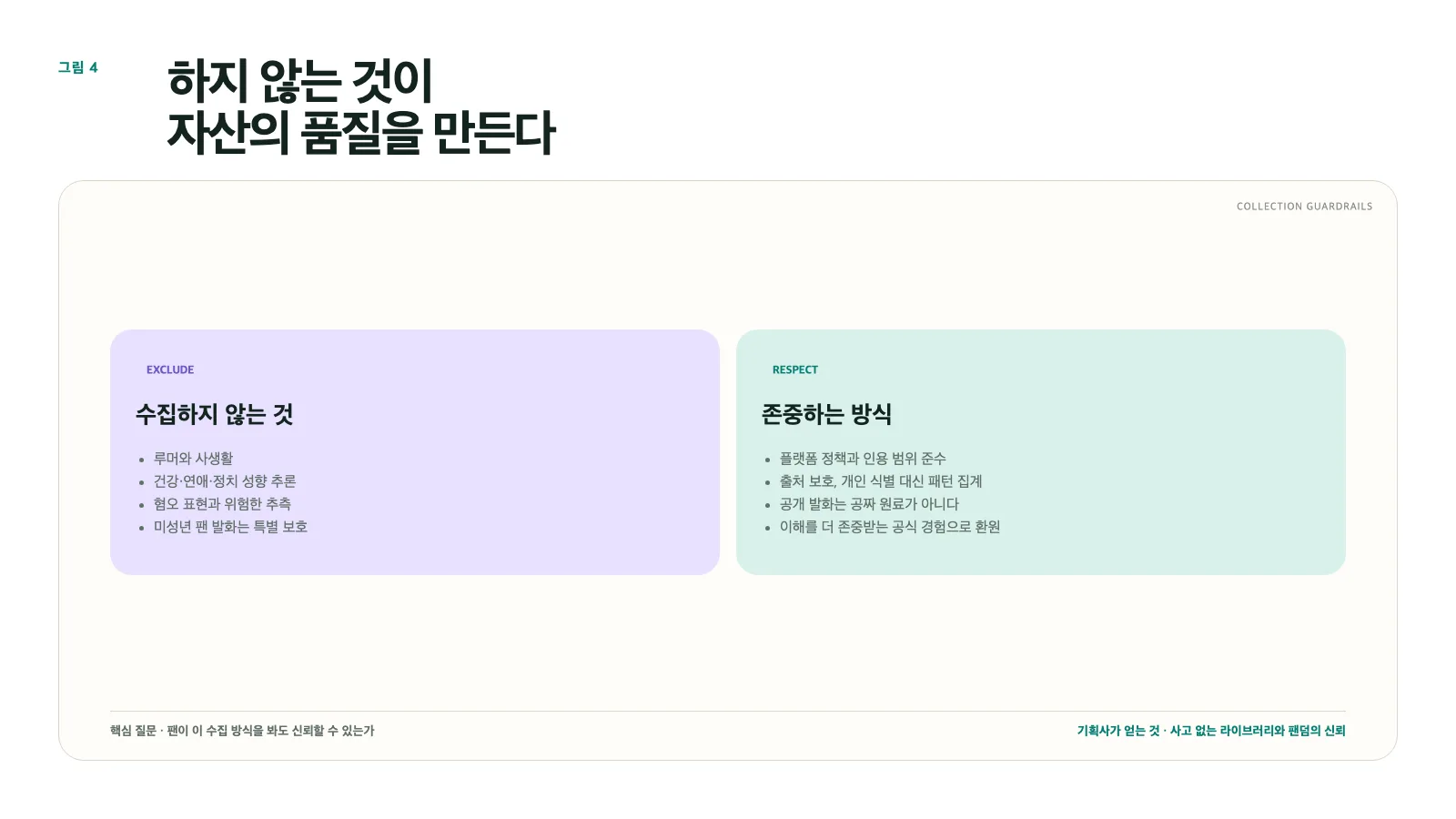
Figure 4. Collection guardrails: the exclusion list and protection principles
5. The Economics of Organizational Memory
With an evidenced library, the organization's cost structure changes. Onboarding a new staffer shrinks from "months of reconstructing a predecessor's memory" to "days of reading the library." Outsourcing briefs start with a bundle of entry links instead of a meeting that explains everything from the beginning each time. Crisis response, thanks to sensitivity-tagged knowledge, judges "can we use this expression" by the record rather than by feel.
The same effect appears in overseas localization. Each language region's fandom has its own grammar and taboos, and when these are documented, localization — not mere translation — becomes possible. The whole team comes to share which memes carry over, which expressions must be substituted, and which symbols work without explanation.
Even when the staff changes, the production partner changes, or a rebranding comes years later, the world continues. The substance of the "IP infrastructure that remains after the campaign ends," described in part 1, is precisely this organizational memory.
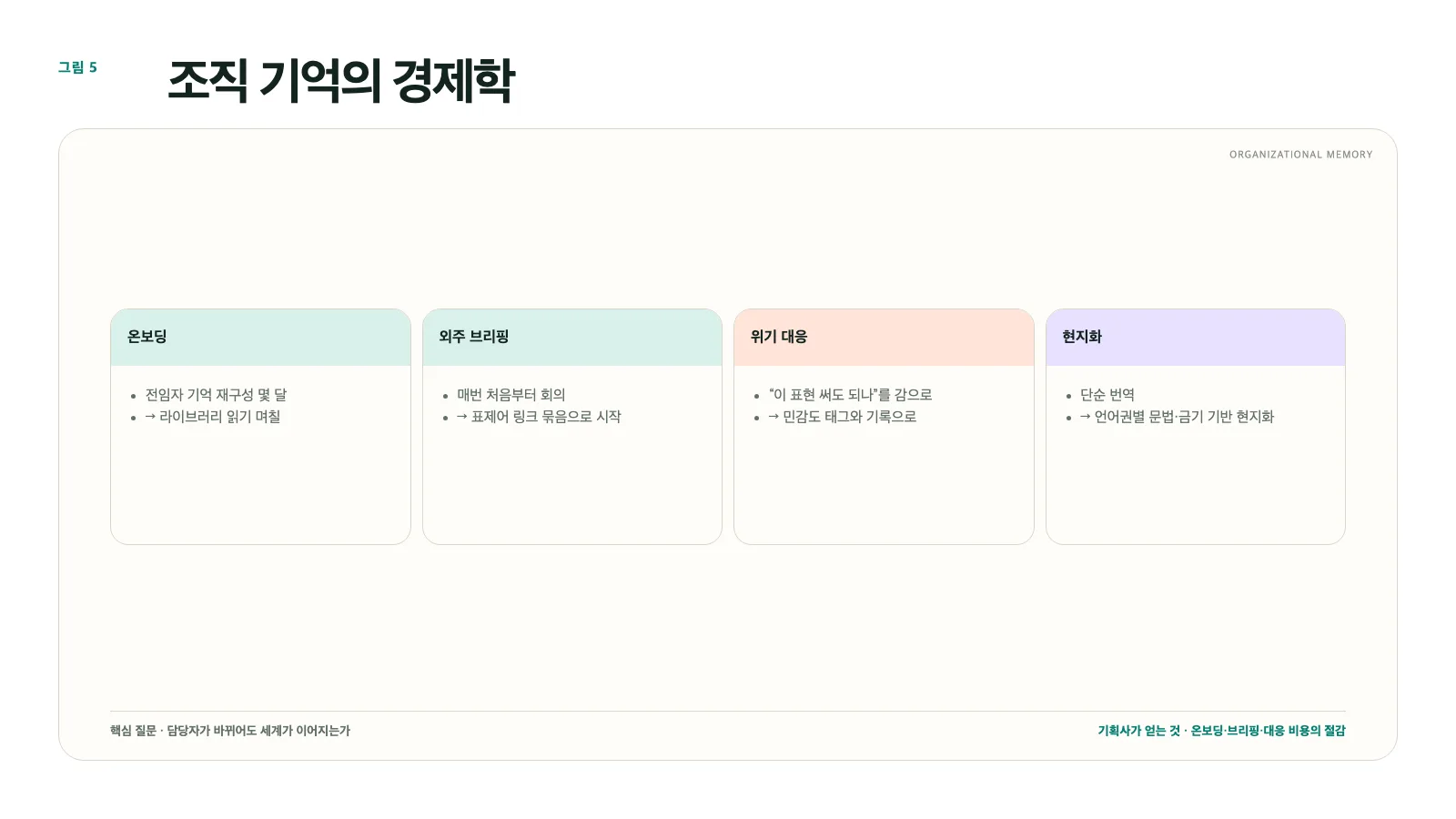
Figure 5. The costs organizational memory changes: onboarding, briefing, crisis response, localization
6. AI Is Safe Only on Top of Sourced Knowledge
This library grows in value once more in the era of generative AI. Language models excel at producing plausible sentences, but trained on unsourced fandom information, they produce plausible errors. They state nonexistent lore as fact, mistake one community's joke for the whole fandom's language, and generate sensitive expressions with no awareness of taboos.
A library with sources and grades becomes both a searchable foundation of trust for AI and a boundary it must not cross. Within the library, AI summarizes, attaches tags, and generates candidate variations, while being constrained from inventing what the library does not contain. Whether a generated result enters the world is decided by people, and only what is approved is written back into the library.
The cycle described in part 1 completes here. Knowledge becomes content, content generates response, and verified response updates the knowledge in turn. The trustworthiness of this cycle rests entirely on its first link: sourced knowledge.
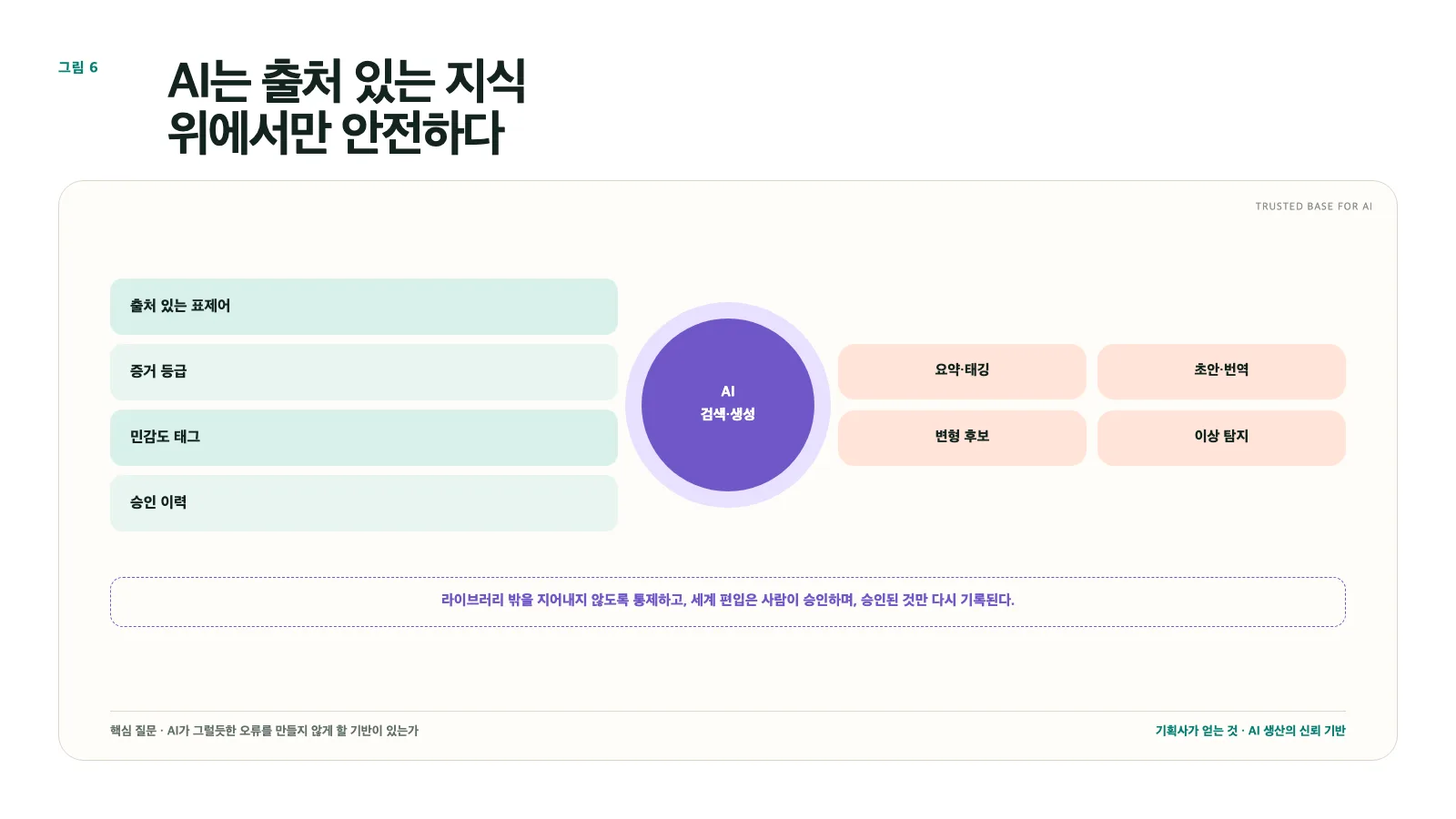
Figure 6. The trust foundation of AI production: generate within the library, approve by human hands
7. The Question After Knowledge
When the fandom's tacit knowledge acquires layers, sources, and grades, the company for the first time knows its own IP as well as the fandom does. Then comes the genuinely hard question. What relationship should the characters built from this knowledge have with the real members? If they resemble the members, likeness and rights problems arise; if they differ, they mean nothing to fans. How is that dilemma resolved?
The next installment, "The Character Is Not a Copy of the Member," covers the buffer design between the real idol and the independent character — the "dual-discovery structure" in which fans recognize the origins while non-fans embrace an independent IP.
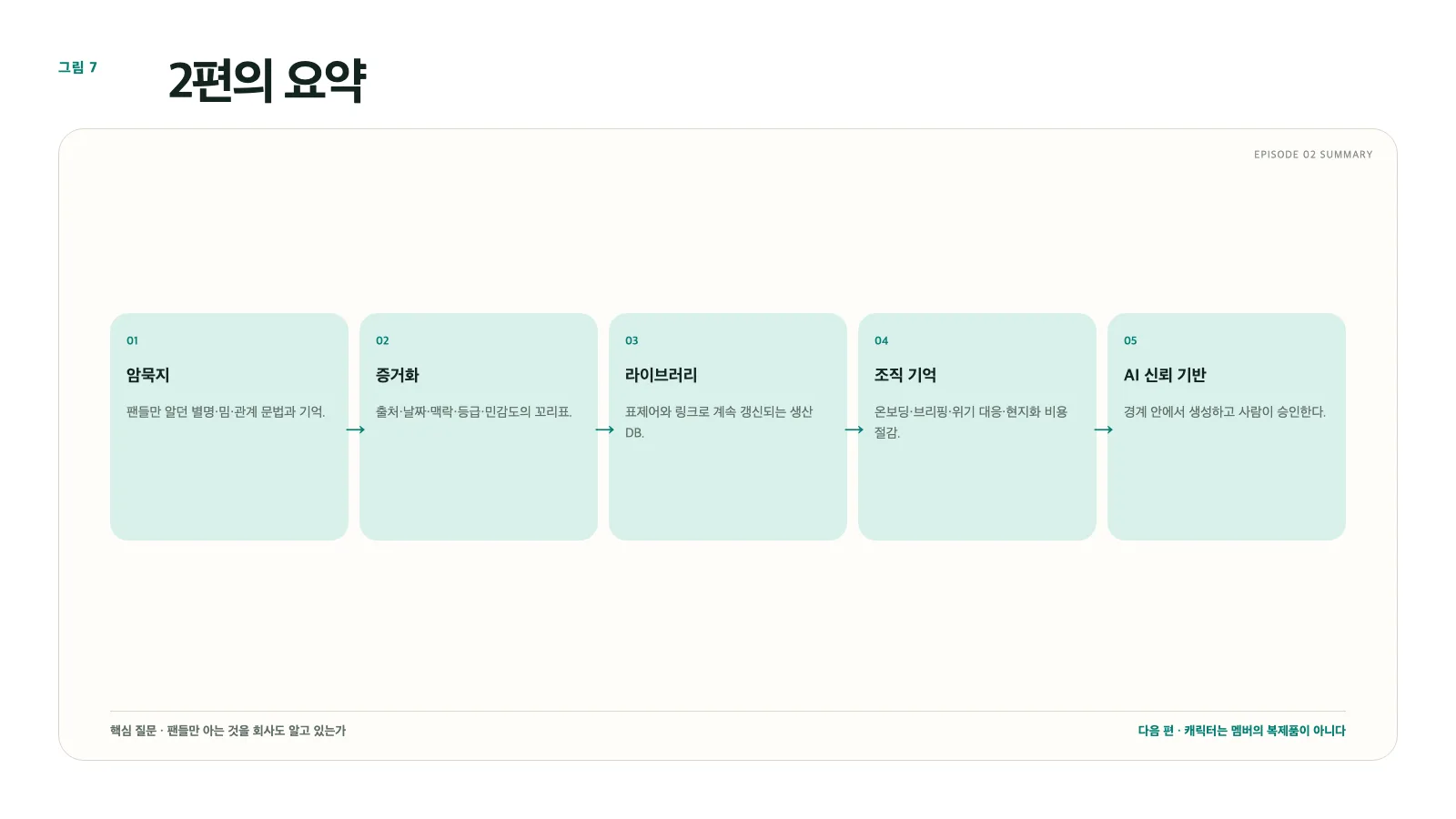
Figure 7. Part 2 in summary: tacit knowledge → evidencing → library → organizational memory → AI trust foundation
MEJE WORKS, the team writing this series, is a content team that designs and operates worldviews, characters, and Fandom Activity for idol IP. Fandom Activity is an operating system that turns idol IP into "a world fans live in every day," and this series is laying out the method piece by piece. Additional materials for collaboration review and on-site briefings are available on request at any time.