MEJE PROCESS · Fandom Activity (7 chapters)
The Character Is Not a Copy of the Member
The Character Is Not a Copy of the Member
Between Reality and Fiction: Designing the "Dual-Discovery Structure"
There is a familiar scene in the idol character business. A character that maps a member's face directly onto an animal is announced, fans are briefly delighted, one round of merchandise sells, and then nothing follows. Because the character is attached to the member's likeness, the character stops when promotions stop, every change in the member becomes a risk to the character, and each new promotion requires the approval and production cycle all over again. There is an opposite failure too. A character with no connection to the members has no rights problems — and no meaning for fans.
In part 2, we covered the process by which the fandom's tacit knowledge becomes a library with sources and grades. This installment covers what relationship the characters born from that library should have with the real members. To state the conclusion first: the character is not a copy of the member but an interface that safely connects the real idol to an independent IP.
1. The Dilemma of Resemblance
The more a character resembles a member, the better the fans' first reaction. But resemblance is subordination. The closer it comes to likeness, the heavier the rights review, the more the character sways with the member's schedule and image changes, and the more the range of voice and behavior the character can take is bound to the real person's present. The lifespan of the character business becomes identical to the lifespan of the promotion cycle.
Erase the resemblance entirely, though, and the result is safe but hollow. Fans love a character because the person beyond the character shows through; without that connection, the character must enter the market bare, as one more new IP among countless others. It amounts to voluntarily giving up the most powerful initial asset there is — the fandom.
The problem is not the amount of resemblance but the material of resemblance. The character must resemble something other than the face.
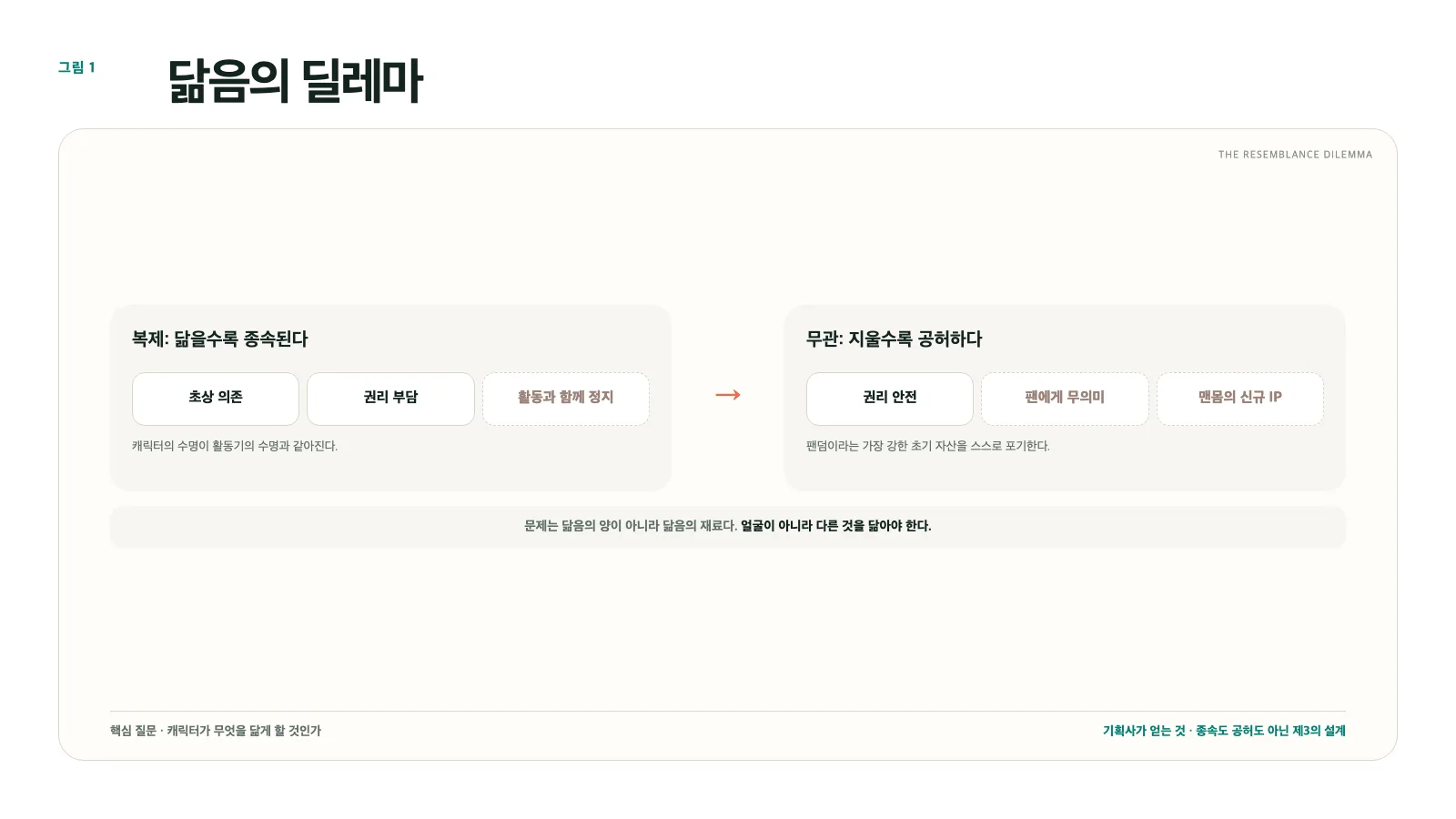
Figure 1. The dilemma of resemblance: the subordination of copying and the hollowness of irrelevance
2. The Dual-Discovery Structure
The characters of Fandom Activity are designed with a "dual-discovery structure." Fans recognize the origins when they look, while non-fans see an independent character and world.
The material of origin is not the face. What has accumulated in part 2's library — recurring habits, onstage mannerisms, frequently used phrases, colors and props that became symbols, the grammar of relationships between members — is translated into the character's personality, behavior, and design. In a single verbal tic or a single prop, a fan discovers "that's that scene," and the discovery becomes the private joy of those who recognized it without explanation. A non-fan embraces the same character simply as an appealing new IP.
The power of this structure lies in its being bidirectional. For fans, it becomes a door only those who know their favorite can open; for the company, it becomes an independent IP that can expand beyond the fandom. A single character holds attachment on the inside and a market on the outside.
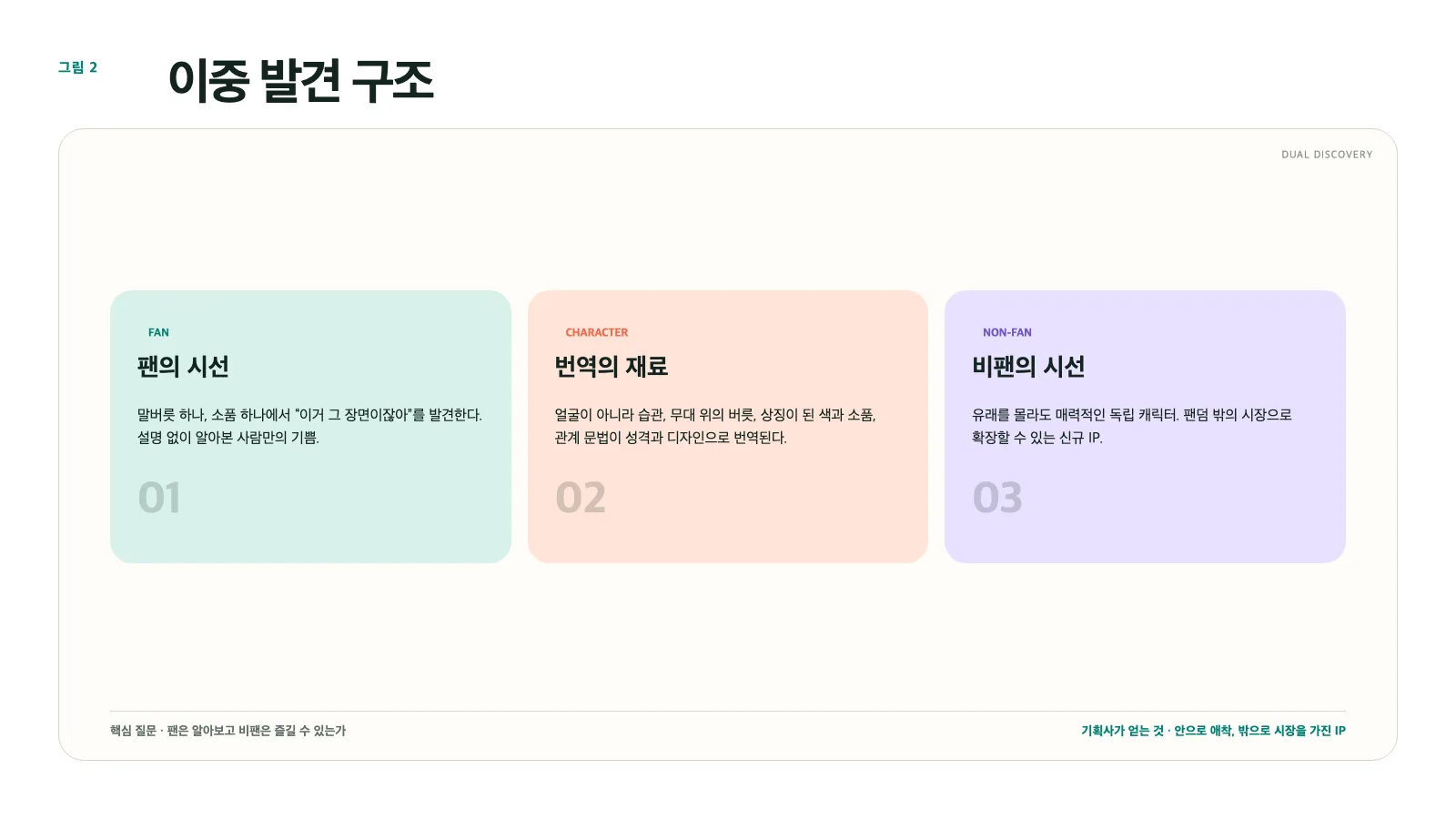
Figure 2. The dual-discovery structure: fans recognize the origins, non-fans meet an independent IP
3. Two Layers of World and a Buffer Zone
In practice, the world is designed in two layers. The reality layer is the philosophy and mise-en-scene referenced by the real idol's albums, stages, photo shoots, and concerts. The fiction layer is the independent narrative in which characters, places, objects, and rules operate. The two layers share the same core keywords, colors, materials, movements, and symbols, but never quote each other directly.
And a clear red line is drawn. Members' faces, voices, signatures, extended lyrics, and unreleased material never enter the fiction layer directly without approval. When a comeback arrives, the new album's colors, props, movements, and short phrases are organized into a "comeback capsule" and converted into the fictional world's outfits, spaces, and events. The real promotion changes the world's season, but the world never replicates reality.
Only with this buffer zone can the character remain meaningful to fans without being bound to the real person's today.
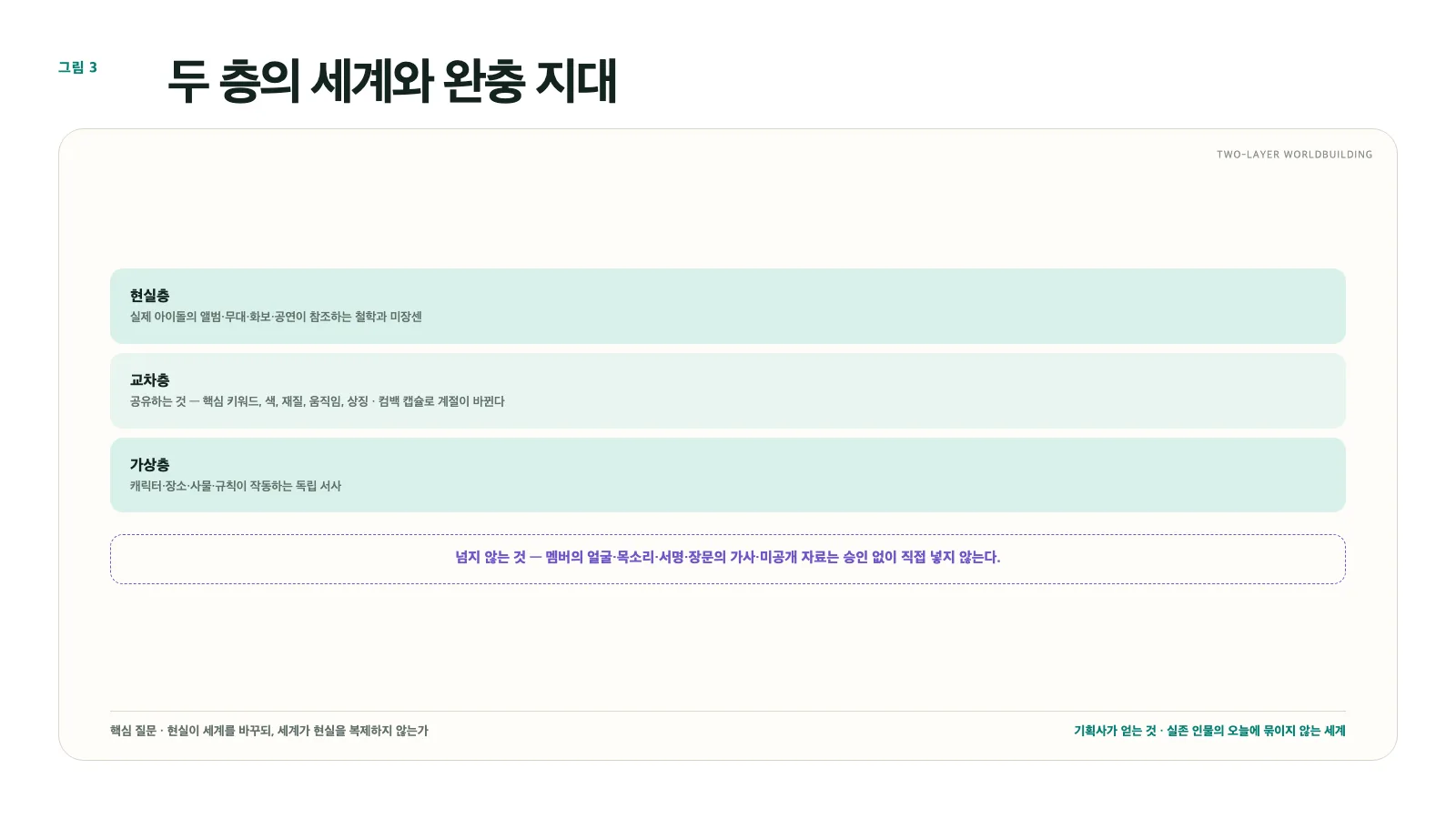
Figure 3. Reality layer, crossing layer, fiction layer: what is shared and what is never crossed
4. The Character Sheet Is Not an Illustration Note but a Production Specification
A character's value is decided not at the first illustration but at the hundredth variation. Rendered as an emoticon, a plush doll, a webtoon, a short-form video, a 3D model — does it still read as the same being? So the character sheet must be a specification for all of production, not a single front-facing drawing.
The specification of form sets the silhouette and proportions, the range of expressions, and the front, side, and back views, while the specification of style sets the line and color, materials, lighting, and background parts. The specification of behavior contains the signature verbs and habits, relationships, and actions never to be taken, and the specification of narrative contains desire and lack, role, possessions, and the direction of growth. The specification of 3D sets the model specs, textures, shared animations, and real-time performance criteria. Add business application rules for emoticons, apparel, stationery, and collaboration products, and the character stays coherent even when different production partners build it.
This specification is the substance of the transmedia expansion described in part 1. A character can cross media not because the art is good but because the specification exists.
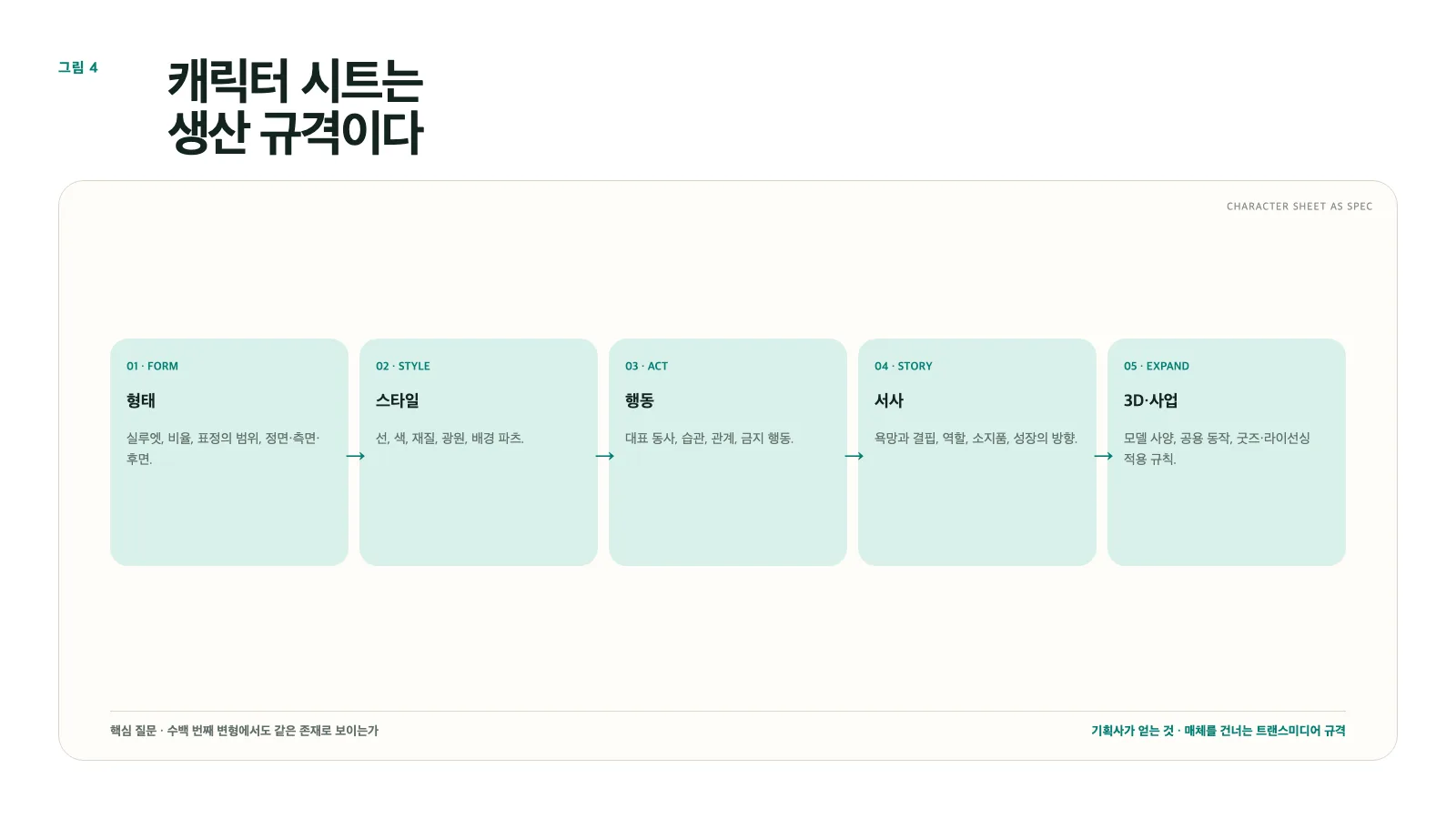
Figure 4. The five specifications of the character sheet: form, style, behavior, narrative, and 3D with business rules
5. Member Changes and the Continuity of the IP
The hardest variable in idol IP is time. A military-service hiatus arrives, contract renewal approaches, and sometimes the member lineup changes. A character subordinated to likeness stops along with these variables. But an independent character who belongs to a world is different. The character is not the member's avatar but a resident of the world, so even during a real-world hiatus, the world's time flows and the seasons continue.
This is a design that protects the members, not one that erases them. Because the character's fate is never staked on the real person's today, the world resonates with reality again through a new comeback capsule when promotions resume, and during the hiatus, the world keeps the fans company. This is how "operations that do not consume likeness and schedules," described in part 1, is realized at the character level.
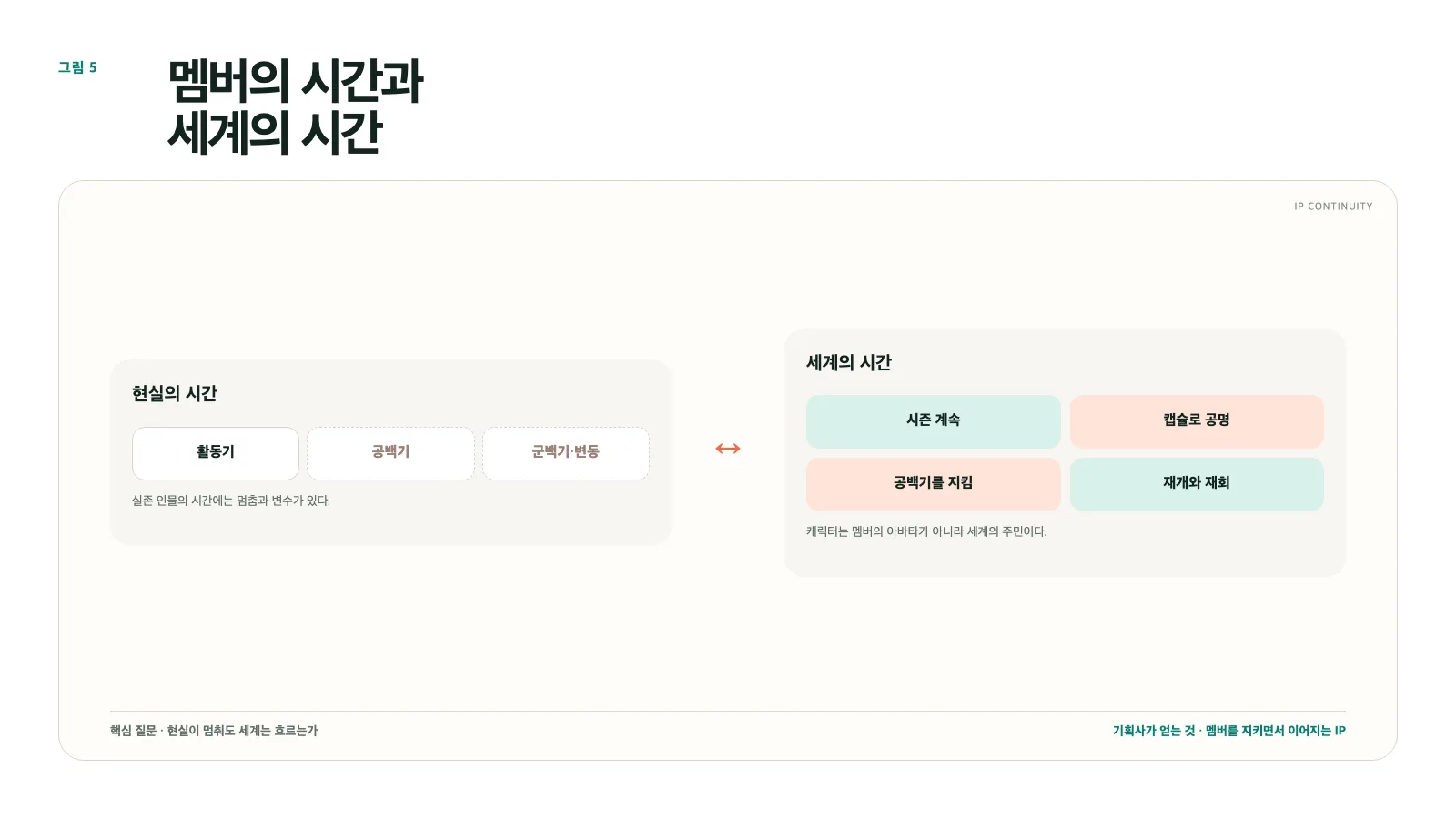
Figure 5. The member's time and the world's time: an IP that does not stop during hiatus
6. Rights Are Designed Item by Item
For the character to be safe, rights must not be lumped together. Group name, logo, album art, master recordings, video, voice, lyrics, choreography, outfits, likeness — for each item, what may be referenced and what is prohibited is approved item by item at the start of the contract. The "source lock," covered in detail in part 7, is exactly this work.
The more generative AI is involved, the more this design matters. The scope of materials fed into AI training and generation, the ownership of generated output, and the permitted range of variation must be specified in contracts and guides. Only a character with clear rights can appear in advertising, collaborate with other IP, and become third-party merchandise. Rights design is not a constraint but the foundation that widens the character's radius of activity.
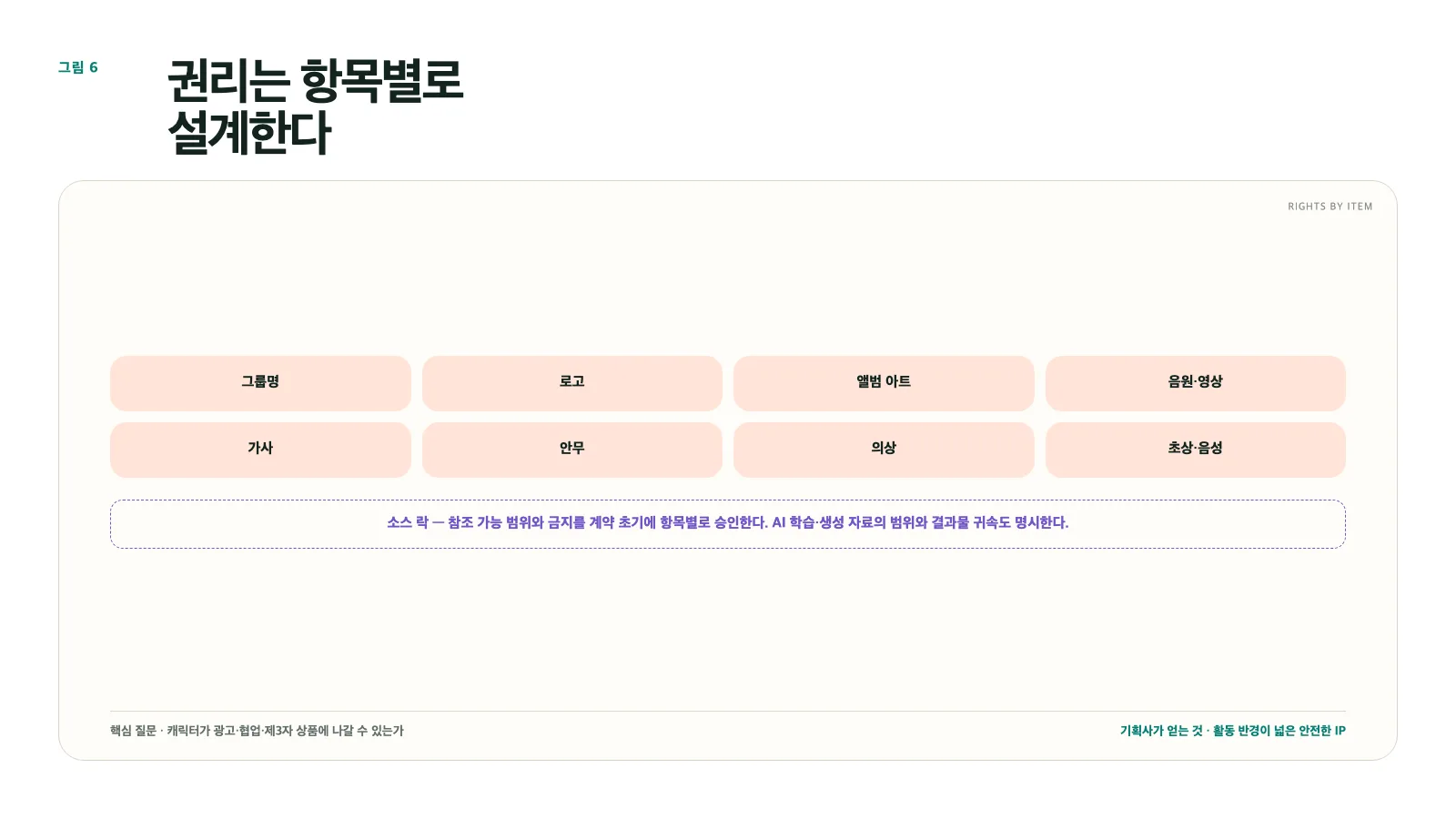
Figure 6. Item-by-item rights approval: the source lock sets the character's radius of activity
7. The Design Guide in the Generative AI Era
AI has made character variation cheap. The cost of changing outfits, changing backgrounds, and porting to 3D has fallen sharply. But AI generation without a guide makes the character a slightly different being every time. The eye proportions drift out of alignment, prohibited expressions appear, props that do not exist in the world show up. As variations accumulate, the character's identity erodes.
So the design guide gains an AI-specific layer: an approved reference set, a prohibition list, the permitted range of variation, and the review checklist every generated result passes before entering the world. AI produces candidates within these boundaries, and people choose among them against the character's original form, the fandom's sensibilities, and the rights. This is how the production system rules covered in part 5 operate at the character level.
Once the character is ready, the next question is time. For how many minutes a day, and in what rhythm, do fans meet this character and world? The next installment, "Designing a Fan's Day," covers the design by which a 30-second ritual becomes a 100-day relationship.
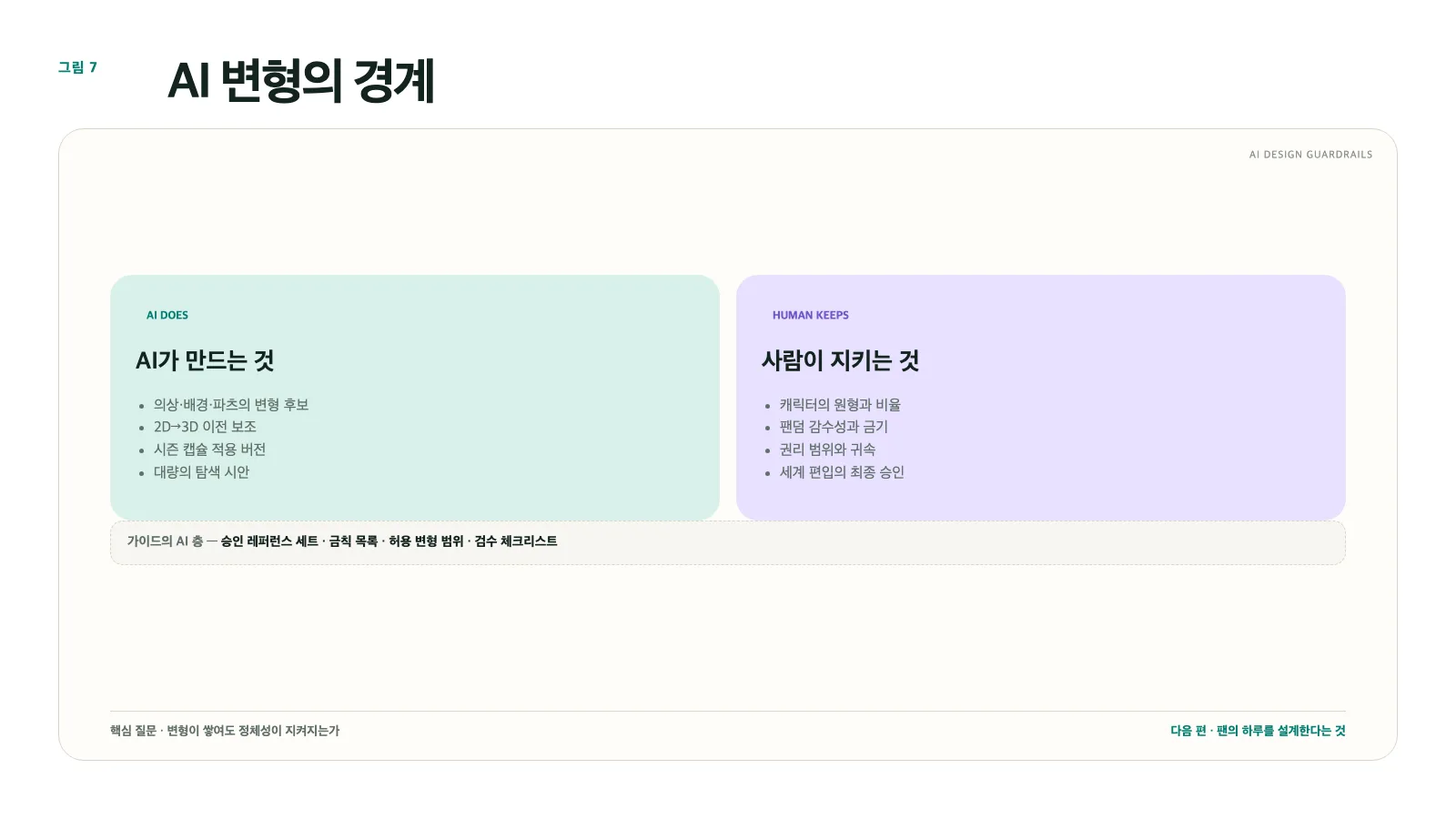
Figure 7. The boundaries of AI variation: protecting the character's original form with approved references, prohibitions, and review
MEJE WORKS, the team writing this series, is a content team that designs and operates worldviews, characters, and Fandom Activity for idol IP. Fandom Activity is an operating system that turns idol IP into "a world fans live in every day," and this series is laying out the method piece by piece. Additional materials for collaboration review and on-site briefings are available on request at any time.